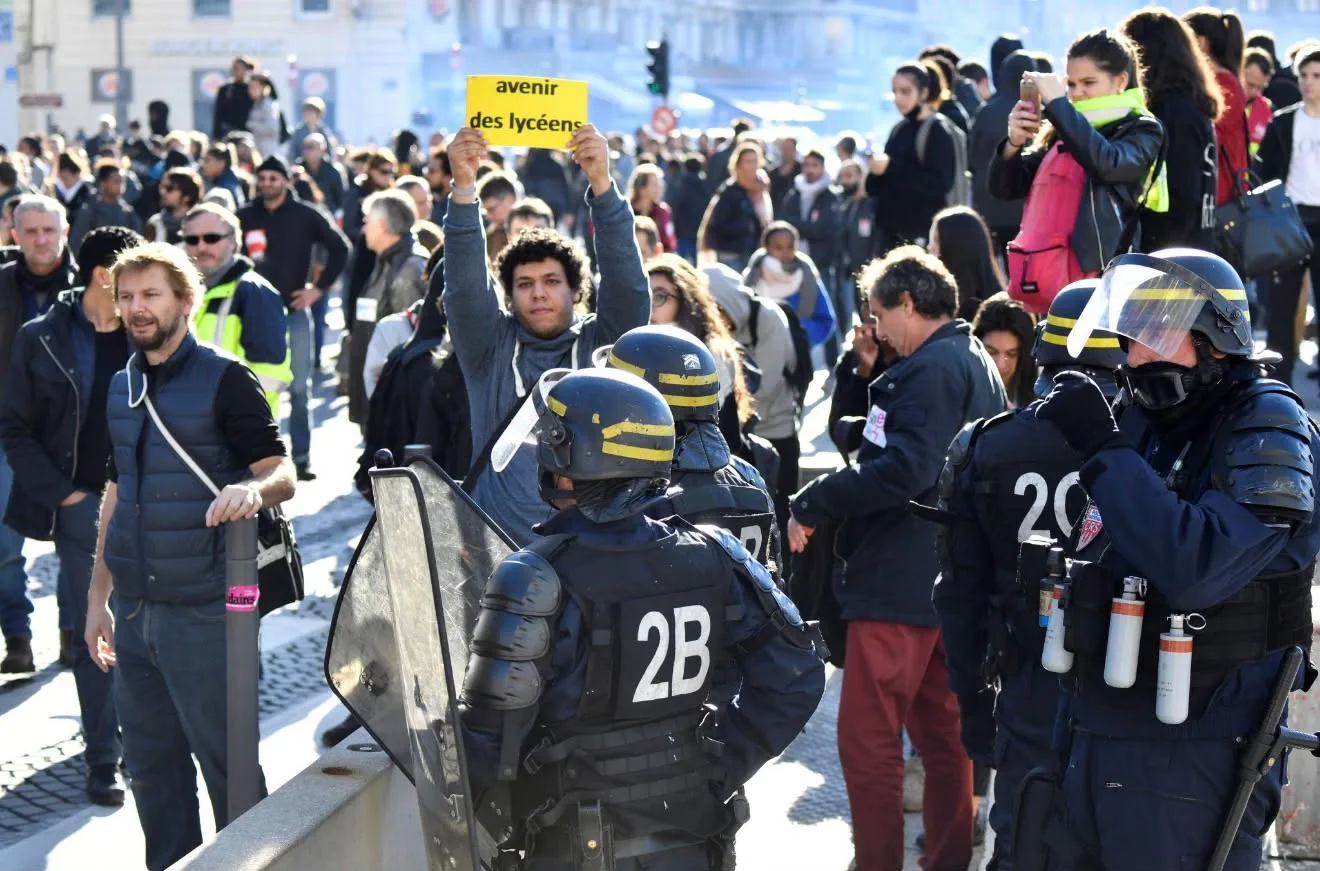
“This generation has nothing in its head.” I have been hearing this sentence for several days on television sets, and I find it both unfair and too easy. Unfair, because a whole generation cannot be reduced to the images of violence we see playing on a loop. Too easy, because by blaming only the young, we avoid looking at the responsibility of adults.
Violence must be condemned without ambiguity. Burning, smashing, assaulting and vandalising can never become an acceptable means of expression. Understanding anger does not mean excusing it. But we must also have the courage to ask another question: what are we passing on to this generation?
For years, we have talked a great deal about kindness, listening, personal fulfilment and protection. All of this is necessary. But in our desire to shield children from every frustration, every constraint and sometimes every sanction, have we not also weakened their relationship with authority?
A child, and then a teenager, needs to be listened to. But they also need to be told no. They need to know that an act has consequences. That you cannot do anything you like on the pretext of being angry. That violence is never an acceptable response.
And this responsibility does not rest solely on schools, the police or the State. It begins first of all in the family.
Parents also bear their share of responsibility. Standing behind your children does not mean defending them systematically, whatever they do. It does not mean looking for an excuse for every mistake. It means accompanying them, listening to them, but also setting limits and reminding them of what is acceptable and what is not.
We have sometimes wanted so much to be gentle with this generation that we ended up confusing kindness with the absence of a framework. Yet education is not made of understanding alone. It is also made of high standards.
Saying this does not mean returning to a brutal or authoritarian upbringing. It simply means recalling that to love a child is also to teach them frustration, responsibility and respect for rules.
Society, too, must find this balance again. Not humiliating young people. Not caricaturing them. Not repeating that they are “lost” or “stupid”. But not letting them believe that everything is allowed either.
True authority is neither brutality nor complacency. It consists of listening, explaining, setting limits and making sure they are respected.
Firmness without dialogue produces anger. But dialogue without limits also causes its own damage.
A society that no longer speaks to its young people always ends up speaking about them. And a society that no longer dares to tell them no also ends up abandoning them.
Sihem SouidCEO Edile Consulting